
Adagio, Amazon & New ZealandSeven honeys
A honey taste test
My Quest to Find the Best Honey: Tupelo vs. Manuka
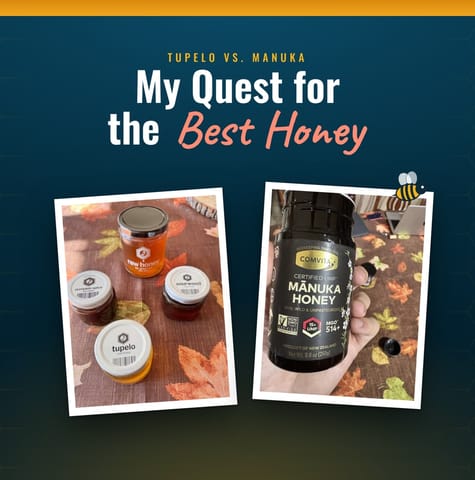
It started with a premium sampler of the cutest little honey jars from Adagio, my favorite tea company. It ended with a favorite I didn’t see coming, one big bottle in the trash, and a box of Manuka honey drops.
01Start with the sampler
It all started with some very cute jars
If you’ve been reading for a while, you know Adagio is my favorite tea company. (I’ve been a fan since the day Teavana announced it was closing.)
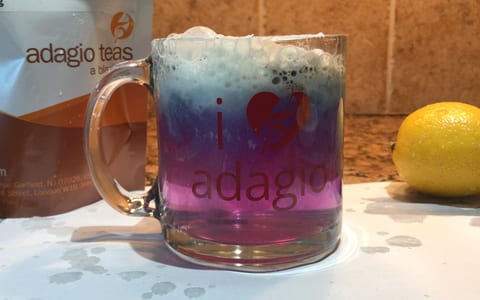
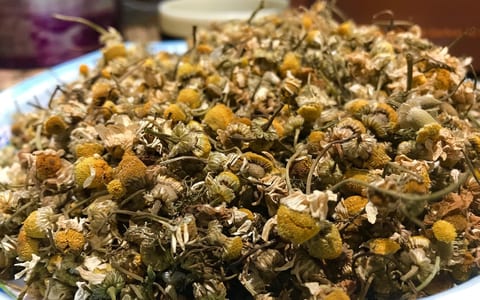
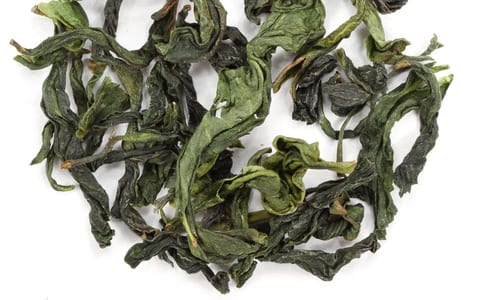
I’ve written about their color-changing Bella Luna Blue, their chamomile and a Pouchong oolong from Taiwan.
Adagio sells honey too.
In the cutest little jars.
So of course I ordered a sampler.
A big jar of raw honey made for green tea, plus little jars of tupelo, sourwood and pumpkin spice. That was the start of my quest to find the best honey.
Along the way I found a favorite I didn’t expect, threw away a whole bottle, and went all in on one really premium jar from New Zealand.
Small jars are the best way to find your honey.
Every Adagio jar I tried
Flip the jars to see what I thought
Tap a jar for where it comes from, how Adagio describes it, and my honest verdict.
02Found the one? Buy the big jar
Tupelo was the one I kept coming back to
Out of the whole sampler, tupelo was the one I really liked.
So I went back to Adagio and bought the big 12 oz jar.
Turns out I have expensive taste. Tupelo honey comes from white tupelo trees growing in the swamps of north Florida and south Georgia, around the Apalachicola River and the Okefenokee. Locals call it swamp honey. The trees only bloom from about late April through May, so the beekeepers get one short window a year.
The New York Times once called it “the most expensive honey in America.” That’s got to mean something, right?
Tupelo, in a nutshell
- Fromwhite tupelo trees in Florida and Georgia swamps
- Tastebuttery and light; Adagio says mild, floral and fruity
- Bonusmore fructose than glucose, so it’s very slow to crystallize
If you get the chance
Try the 4 oz jar first. As I write this, Adagio sells tupelo at $10 for 4 oz and $19 for 12 oz.
Adagio’s tupelo honey03Bigger and cheaper isn’t always better
A bigger, cheaper bottle
and a weird feeling
Eventually I finished that big jar.
And instead of reordering, I went looking on Amazon for a deal.
I found one: a 2 lb bottle of Sleeping Bear Farms tupelo honey. Bigger than my 12 oz jar AND cheaper.
Not quite the win I thought….
Every time I had some, I got this weird, ill feeling. Once could be a coincidence. But it happened consistently, every time I used it.
It honestly made me wonder if there was bee venom or some kind of toxin in it.
Is that even possible?
It’s not a crazy question. Honey can carry tiny traces of bee venom, and researchers note that even residual amounts can set off an allergic reaction in people who are sensitive to it. It’s very rare, but it’s real. Reactions have also been reported to an enzyme from bee venom left behind in honey.
Source: Marinho & Soto-Blanco, Frontiers in Veterinary Science, 2020.
I’ll never know exactly what it was about that bottle. What I do know is how I felt after it, every single time.
So after a few uses, it went in the trash.
If a food keeps making you feel off, listen to your body. And if honey ever gives you hives, swelling or trouble breathing, get medical help right away.
04Read the numbers on the label
Manuka tastes like nothing else I tried
Meanwhile, I’d started experimenting with Manuka.
I went for it because of all the health benefits people talk about. And I didn’t buy just any Manuka. I bought a really premium jar on purpose: Comvita Manuka Honey, certified UMF 15+ and MGO 514+, straight from New Zealand.
And honestly? The flavor won me over.
Manuka has a very unique, refreshing flavor profile. It’s genuinely one of my favorites. And with green tea, it was SO good together.
Adagio’s tasting notes call Manuka earthy and complex, with a hint of menthol and a smooth, cool feel.
How to read a Manuka label
MGO
Methylglyoxal, in mg per kg. It’s the compound behind Manuka’s antibacterial reputation. Higher number, higher concentration.
UMF
Unique Manuka Factor, graded from 5+ to 25+. One number that sums up four lab tests: MGO for potency, leptosperin for authenticity (it only comes from Manuka nectar), DHA for shelf life and HMF for freshness.
Sources: UMF Honey Association; Adagio’s Manuka page.
The health stuff
Good for you, too: what Manuka is known for
- 01
Coughs and sore throats
An Oxford review of 14 trials found honey eased cough frequency and severity from colds better than usual care. That one covers honey in general, Manuka included.
- 02
Fighting bacteria
Manuka’s MGO is what sets it apart. Adagio calls it “among the most studied honeys in the world for its documented antimicrobial properties.”
- 03
Wound care
Medical-grade Manuka honey dressings (Medihoney) have been cleared by the FDA since 2007. That’s sterile, medical honey, not the jar in your kitchen.
- 04
The fine print
Clinical research on Manuka itself is still limited, so think of it as a lovely honey with some promising science, not a cure. And never give honey of any kind to a baby under one.
05Pack the drops, not the jar
The Manuka I can take on a plane
I also have Manuka cough drops: Wedderspoon Organic Manuka Honey Drops, lemon with bee propolis.
Twenty drops in a box, made in New Zealand, USDA Organic. They’re mostly organic cane sugar, with 16% Manuka honey, a little lemon and eucalyptus oil and a pinch of propolis (the sticky resin bees use to seal their hive).
One heads-up from the box itself: propolis may cause severe allergic reactions in some people.
Nomad tip
At airport security, honey counts as a liquid, so a jar bigger than 3.4 oz (100 ml) has to go in your checked bag. Honey drops are hard candy. They can ride in your pocket.
06Honey doesn’t need tea
Goodbye, green tea. Hello, hot water.
Here’s the plot twist.
A few months after all of this, I gave up caffeine. (I wrote about going caffeine-free with Herbaly and how mint tea in Amsterdam helped.)
Which meant saying goodbye to green tea.
Manuka and green tea were such a good pair. I still remember how much I enjoyed them together.
But the honey stayed.
I still use honey in hot water sometimes, when I want a bit of sweet flavor.
The verdict
So, what’s the best honey?
For flavor, Manuka. Tupelo is the one I bought twice. Here’s how every honey landed.
- Favorite flavorManukaUnique, refreshing, and amazing with green tea.
- Bought the big jarTupeloThe one I really liked from the sampler.
- GoodSourwoodA solid jar.
- GoodRaw honey for green teaGood, and made for green tea.
- UnderwhelmingPumpkin spiceThick and overpowering.
- TossedThe Amazon bottleFelt unwell after it every time.
So, what’s your go-to honey? Have you ever tried tupelo or Manuka? And has a honey ever made you feel off? I’d love to hear about it in the comments.
Leave a commentMore from my Adagio tea shelf