


The ethical travel field guide
Leave a place better.
Ethical travel is not about being a perfect traveler. It is about staying curious, asking better questions, and remembering that every destination is somebody else’s home.
PeopleWildlifeCulturePlanet
A practical field guide for traveling with curiosity and care.
Before we go anywhere
Travel is a privilege. Curiosity is a responsibility.
I travel because I want to understand the world—not collect it. The more places I visit, the more convinced I become that the best adventures begin with humility. I am a guest. I will get things wrong. My job is to listen, learn, correct course, and leave as light a footprint as I reasonably can.
For me, responsible travel means protecting wildlife, respecting the dignity and traditions of local people, keeping more tourism money in the communities that welcome us, and being honest about the environmental cost of getting there.
It also means rejecting the idea that ethical travel is reserved for luxury eco-lodges. Thoughtfulness is free. Research is free. Respect is free. Your budget may shape your choices, but it does not have to erase your values.
Less perfection. More intention.
My ethical travel compass
Seven promises I try to carry with me.
These are not commandments from a flawless traveler. They are the questions I use to slow myself down when convenience, price, or a once-in-a-lifetime photo starts doing the thinking for me.
Point01
Be a good guest.
I learn local etiquette, dress with context, pick up a few words of the language, and follow the rules of the places that welcome me. It is their home first.
Point02
Let the animal choose.
Every wild friend I have made came to me on its own terms. Jesse, a pigeon in Zadar, did not let me hold him until 14 days after I met him, and I was not even trying. That is my line: I do not support attractions built on riding, chaining, drugging, breeding, or forcing wild animals to perform, where the animal has no way to leave.
Point03
Local voices come first.
I seek locally owned stays, guides, restaurants, shops, and social enterprises when I can. I listen to how residents describe their own home instead of treating a visitor’s version as the whole story.
Point04
Culture is living—not a souvenir.
I learn before I arrive, follow rules at sacred and historic sites, and avoid buying objects that exploit cultural heritage, endangered species, or irreplaceable natural materials.
Point05
Slow down when possible.
Fewer, longer trips can reduce transport, spread spending beyond the obvious attractions, and create space for real connection. Slow travel is not always possible, but frantic box-checking is rarely the only option.
Point06
Leave honest footprints.
I reduce waste, conserve water and energy, use public transportation when practical, obey trail and protected-area rules, and never geotag fragile places when added attention could harm them.
Point07
Tell the truth—even when it complicates the story.
I disclose hosted and affiliate relationships, separate personal experience from verified fact, correct meaningful errors, and will not call something “ethical,” “green,” or a “sanctuary” simply because its marketing does.
The practical checklist
Better choices, one stage at a time.
You do not need to overhaul an entire trip in one sitting. Start with the decision in front of you.
Tick them off as you plan. This browser remembers.
Every box ticked. Now go leave a place better.
Research the impact
Act like a guest
Share with care
Wildlife encounters
If the animal cannot say no, you should.
I adore animals. I have hand-fed pigeons in Zadar and a whole flock of house sparrows in Madrid, and every one of them could fly off whenever it wanted. That is the difference. A close-up is never worth fear, confinement, or pain. Labels are easy; welfare takes investigation.
Meet the animals who chose me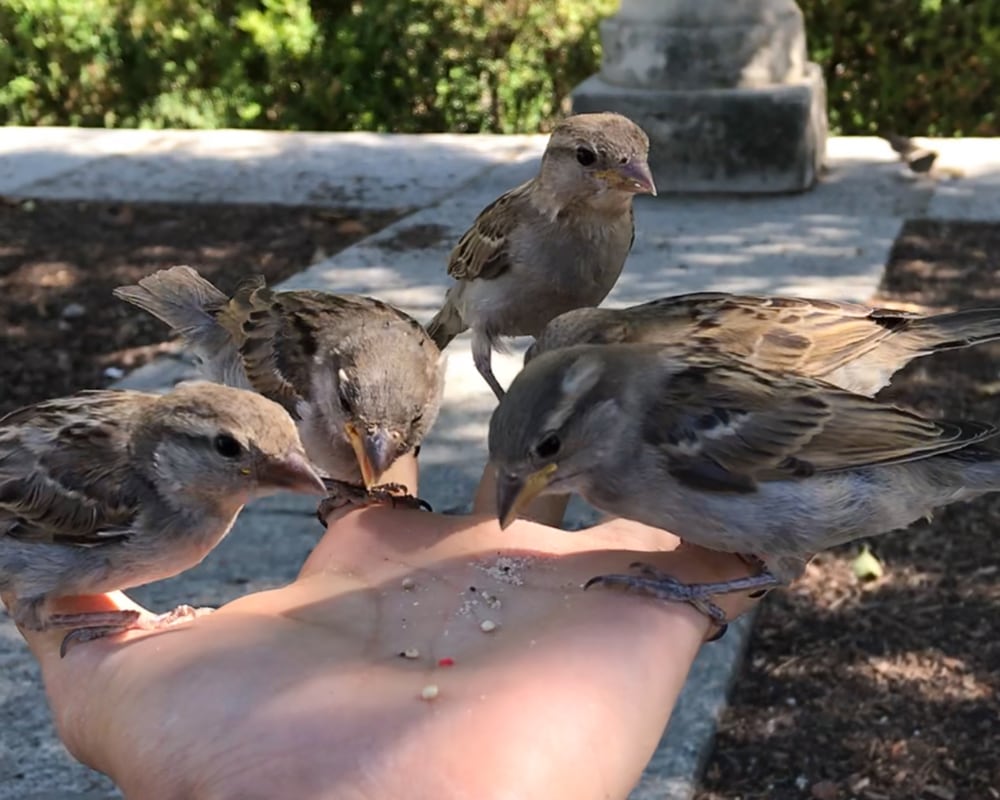
Walk away when…
- Visitors ride, hug, bathe, or pose with captive wild animals on a schedule.
- A venue uses babies as entertainment or breeds animals for tourist access.
- Animals perform unnatural tricks or show wounds, chains, pacing, or distress.
- “Guaranteed” sightings depend on chasing, crowding, or cornering animals.
- The business cannot clearly explain rescue history, welfare standards, or conservation outcomes.
Look closer when…
- Animals are free to approach, or to leave, on their own terms.
- Observation happens from a respectful distance with strict visitor limits.
- Animal needs—not photo opportunities—determine the schedule.
- Rehabilitation and release are priorities wherever possible.
- Qualified staff can explain where each animal came from and why it remains in care.
- Money supports habitat, local livelihoods, research, rescue, or transparent conservation work.
Before you book
Ten questions that cut through greenwashing.
- 01Who owns this company, and where does my money stay?
- 02Are local guides and workers paid fairly and treated safely?
- 03What happens when there are no tourists watching?
- 04Does the community help design and consent to the experience?
- 05Can the operator name specific welfare or environmental standards?
- 06Are conservation claims measured, current, and independently verified?
- 07Does the activity depend on captive wildlife, forced contact, or performance?
- 08How are waste, water, energy, and visitor numbers managed?
- 09Would I still consider this respectful if it happened in my hometown?
- 10If the answer stays vague, am I willing to walk away?
Ethics on a real-world budget
You do not need a private island—or a perfect record.
The most expensive option is not automatically the most ethical, and responsible choices should not become another way to shame people. I focus on the choices with the greatest impact and work from there.
My publishing ethics
How I try to earn your trust.
This blog is a record of a real person learning in public. My views can evolve as I find better evidence or hear from people closer to an issue. What should not change is the commitment to be transparent about that process.
IndependencePayment, gifts, or hosted travel do not guarantee positive coverage.
DisclosureMaterial relationships and affiliate links are identified clearly.
WarmthI write about the people in my stories the way I would want to be written about.
AccuracyI distinguish memory and opinion from facts, verify high-impact claims, and link to useful sources.
CorrectionsIf I make a meaningful mistake, I aim to correct it plainly rather than quietly rewriting the record.
No false halosI do not award ethical labels based on branding alone; when I cannot verify a claim, I say so.
Field notes
Keep exploring responsibly.
The journey continues
Stay curious. Stay kind.
You will never have perfect information. Neither will I. But we can ask better questions, remain willing to change our minds, and choose the version of adventure that does not require somebody else to lose.
This is a living guide. Ethical questions are contextual, and standards evolve. When credible new information changes my understanding, this page should change with it.