


Bosnia &
Herzegovina
I went for the pigeons.
8 stories · One month in Sarajevo · The Backpacking Chronicles
After Croatia I needed somewhere outside the Schengen Zone: close, affordable, and — this part is not a joke — full of pigeons. Sarajevo ticked all three. It took a thirteen-hour bus ride and one very bad night to get there, and then a month to fall for the place.


One city, seven ways in.
Everything below happened in one place over one month. Start at the beginning, or jump to the birds — nobody would blame you.
Three requirements. One of them was birds.
In Zadar I had spent weeks earning the trust of a flock of wild pigeons, one handful of seed at a time. When the Schengen clock ran out and I had to leave Croatia, I went looking for somewhere that would not feel like leaving them behind.
So I sat down and wrote out what the next country actually had to be.
- 01Not too far from Croatia (preferably)
- 02Affordable
- 03Filled with pigeons
Sarajevo was the only capital in Europe that scored three out of three. Its old bazaar has a square so well known for its birds that people call it Pigeon Square, and I had seen enough photographs of it to be certain.
“Yes, FULL OF PIGEONS.”I Traveled 13 Hours By Bus to Visit Pigeons In Another Country

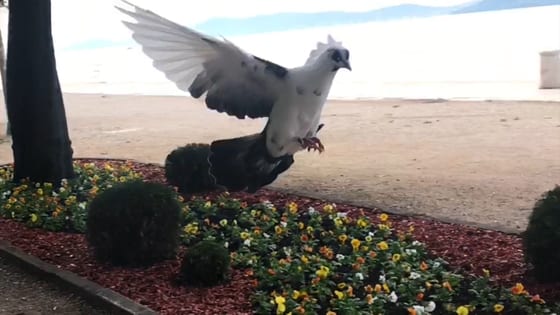

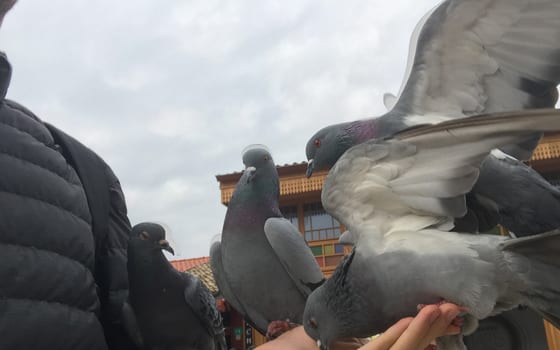
“Quite frankly, after traveling to Sarajevo, I’m uncertain whether the pigeons live among the people there or if people live among the pigeons…”I Traveled 13 Hours By Bus to Visit Pigeons In Another Country

Thirteen hours, two buses, one very long night.
I booked it at half past two in the morning, the way I booked most things that year: two legs, one company, a fare that made flying look silly.
Zadar to Split came to 100 HRK. Split to Sarajevo was 208 HRK. Three hundred and eight kuna all in — just shy of fifty dollars at the time — for a border crossing, a mountain road and a seat I could sleep in. The first leg took about two hours. The second was scheduled for six and a half, arriving at half ten at night.
I boarded early and took an aisle seat near the back, because if the announcements were in a language I did not speak I could at least count how many people stood up. Four men got on with open cans and filled the seats around me.
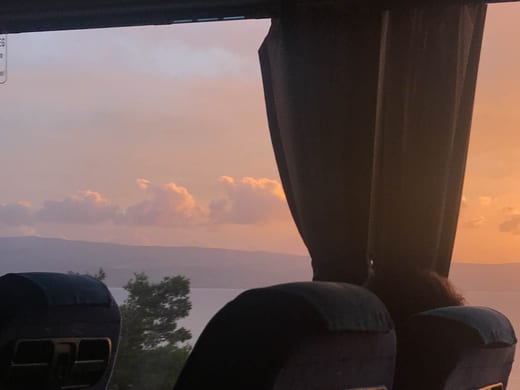
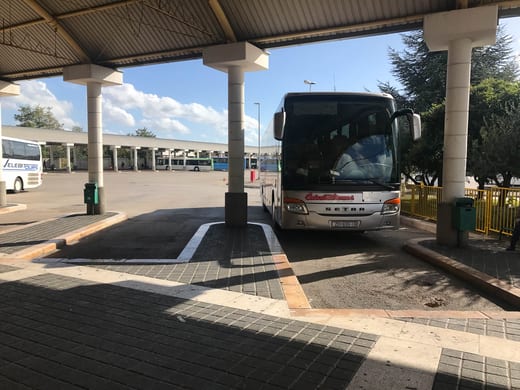
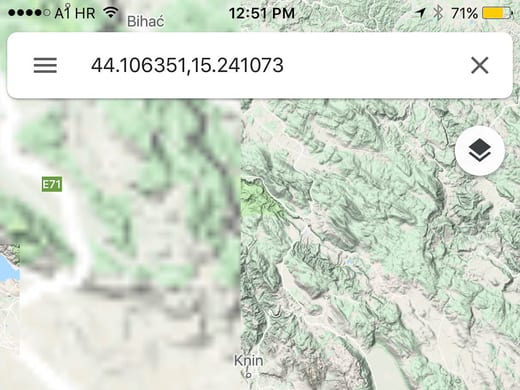
What happened on that bus
The men behind me took an interest in me and in a young woman sitting in front of me. As soon as I answered one of them they knew I was not from there, and the questions turned to where I was from, what I was, what I believed. It went on for hours, and it included threats I am not going to repeat here. I have written the whole thing down once, honestly, and once is enough.
I have never blamed the bus company for it. I never filed a complaint either. The bus arrived very late, my phone was useless, and my host was still standing at the stop nearly two hours past the time we had agreed.
“Of all the memories I took with me from backpacking, this is probably the one night I would be perfectly okay with forgetting…”The Scariest Bus Ride of My Life
If you are heading into the Balkans by bus and want the practical version — how the legs are booked, what the border crossing is like, and what I would do differently — it is all in the post.
A new city, and I did not want to see any of it.
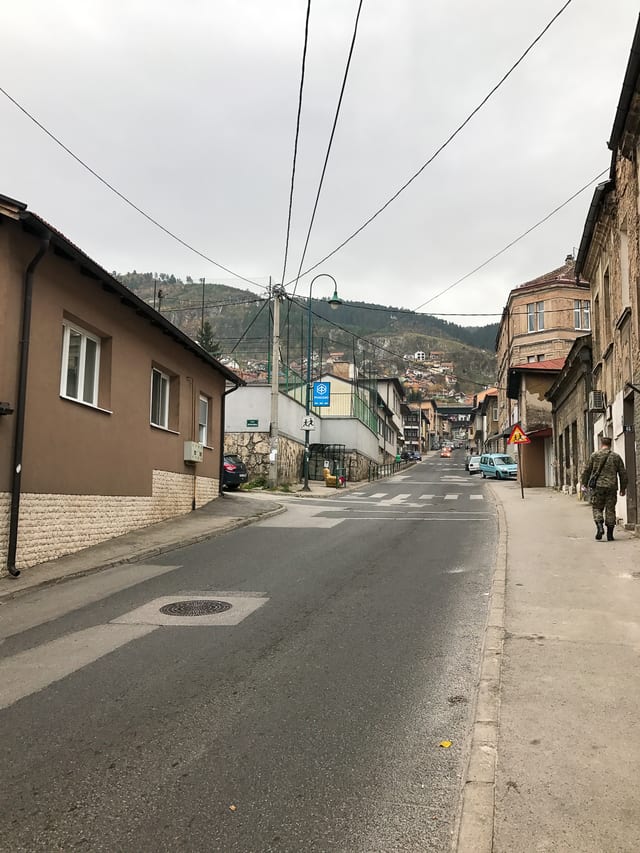
I woke up in Sarajevo with a deep sense of dread and no desire to go outside. I had seen nothing of the city and already felt like I had seen enough of it.
“That’s the thing about fear. You may know it’s irrational. That doesn’t mean overcoming it is easy.”Dealing with Agoraphobia While Traveling In a New City
I skipped breakfast and took a very long shower instead. By lunchtime I was hungry enough that the decision made itself: nobody was going to bring me food. I looked in the mirror and told myself I had not come all this way to hide at home.
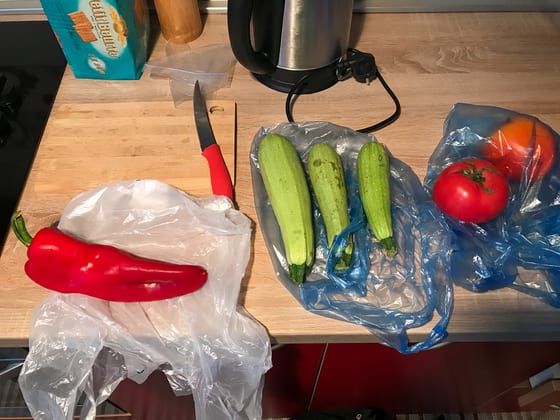
No working mobile data. No safety net. One offline map, a rough sense of direction, and the plan that if it went wrong I could retrace my own steps. I went out to find a roadside farmer’s market and buy fruit and vegetables, because getting food is the first thing I do anywhere.
Download the map before you need it.
A phone with no data is the difference between a walk and a problem. Offline maps in Google Maps, Maps.me or Organic Maps cost nothing and work with the radios off — download the city the night before, not from the bus. It is the cheapest anxiety insurance in travel.

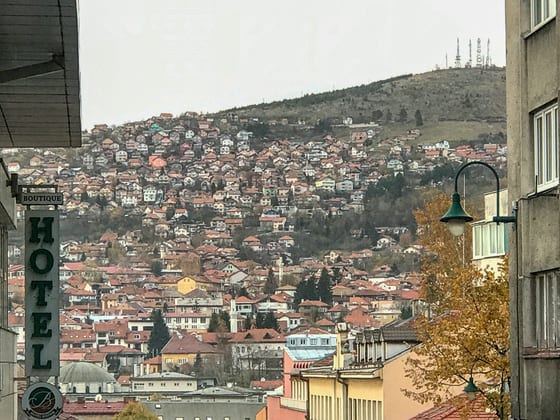
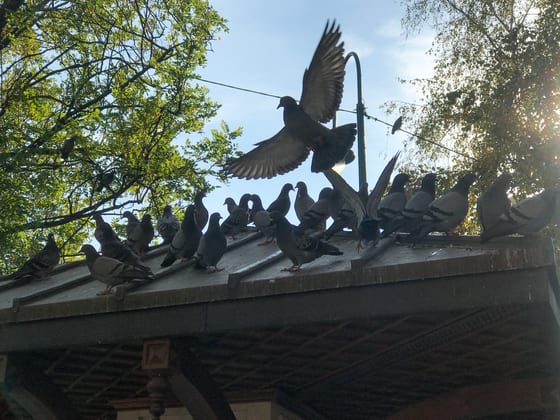
Little by little the fear went. I was not going to let four strangers stand between me and an entire country — and I was certainly not going to leave Sarajevo without seeing its pigeons.
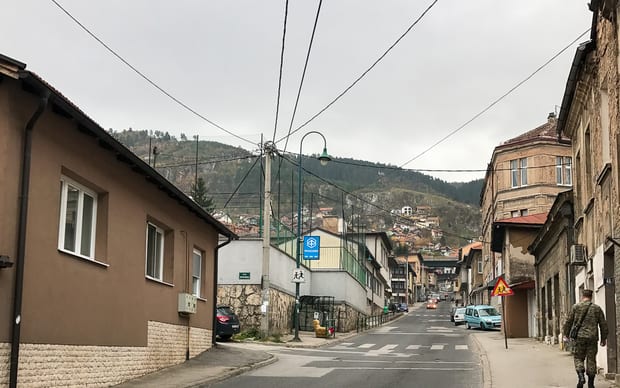
Comfort came in the shape of a loaf.
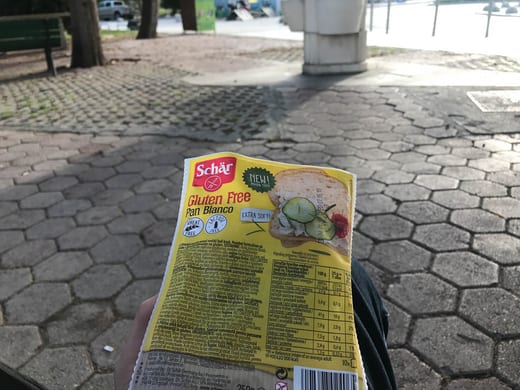
A friend in Zadar — another New Jerseyan on the road — told me to try the bread in Sarajevo. I made a mental note. It turned out there was a small bakery a three-minute walk from where I was staying.
One large loaf of white bread was 0.50 convertible marks. About twenty-five cents. Many days after work I would walk down, buy one, and bring it home to eat with the bottle of freshly pressed olive oil I still had from the olive grove I had worked on in Croatia.
“It is some of the best bread I have ever had.”Memorable Food: Bosnian Bread and ‘Sarajevski’ Ćevapi

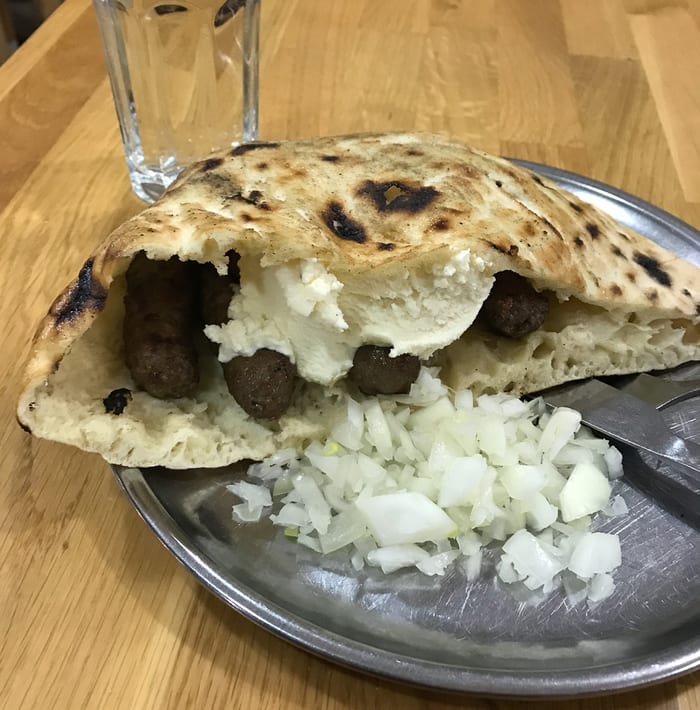
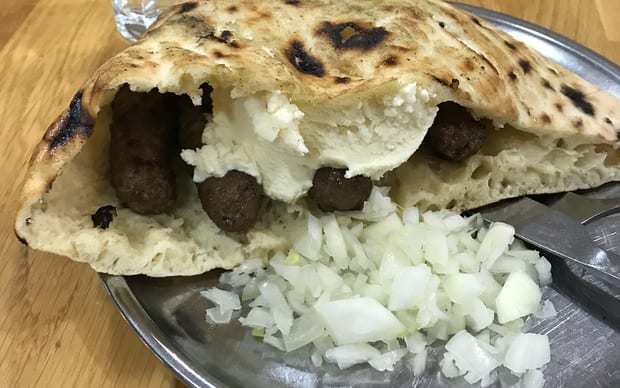
Then there is ćevapi.
Small skinless minced-meat rolls, served with somun — a soft pita that belongs in a league of its own — diced onion, and often kajmak, a dairy thing somewhere between clotted cream and fresh cheese. Several towns are famous for their own recipe: Sarajevski, Banjalučki, Travnički. Sarajevski usually means beef and lamb.
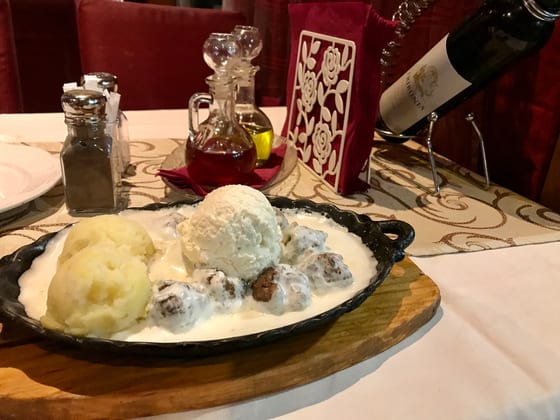
Over a month I ordered it from the famous places and the unglamorous ones on the edges of the city. Hodžić 2 and Ćevabdžinica Željo were the two I kept going back to. The meatballs in cream sauce at Nanina Kuhinja were excellent, and so was every piece of baklava I met.
Some people call it fast food. Making it properly is not a fast-food skill.


Up the mountain, to a track nobody uses any more.
High above Sarajevo there is a concrete ribbon running down through the trees. It was built for the 1984 Winter Olympics, and it has been abandoned since the war.
The track was finished in 1982: 1,300 metres of concrete, thirteen turns, eight and a half million dollars, paid off by the crowds the Games brought in. When the fighting started in 1991 the curves became defensive positions, and whole sections of it are still lined with bullet holes. Today it belongs to graffiti artists, and to anyone willing to walk it.
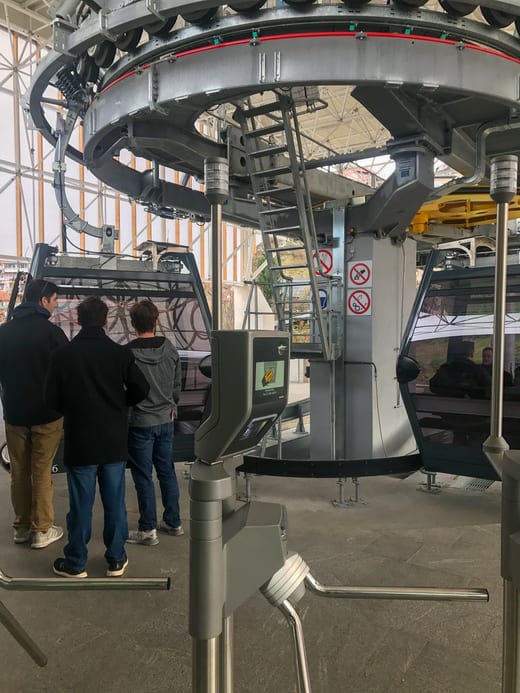
I took the cable car up from Bistrik. Back then a one-way ticket was 15 marks and a return was 20. It runs daily, with the hours moving around by season.
“Abandoned tracks with a dark history, just where I needed to be.”How to Explore Sarajevo’s Abandoned Bobsleigh Track
Thirteen turns, 1,300 metres, and a great deal of spray paint.


Stay on the path. This one really matters.
There are still unexploded mines on that hillside. Do not wander off the established route, and do not explore the surrounding woods alone. Bring water and something to eat — the air up there is cold and thin, and there is nothing to buy. I got caught in a snowstorm and spent a while sheltering under a concrete overhang waiting it out.
Getting back down is the part nobody warns you about: it is a 237-metre climb and about an hour to walk back up to the cable car, or a steep, narrow 45 minutes all the way down into the city. In snow, I went back up.


The city keeps its scars where you can see them.
Why some of the pavement is red
They are called Sarajevo Roses. Each one is the mark a mortar shell left in the concrete during the siege, filled in afterwards with red resin. You are walking through the city, looking at shopfronts, and then there is one under your feet.
The siege lasted three and a half years. The Bosnian War ran from 1992 to 1996 — recent enough that the traces are everywhere once you know to look. Two streets away is the corner where Gavrilo Princip shot Archduke Franz Ferdinand and pulled Europe into the First World War.


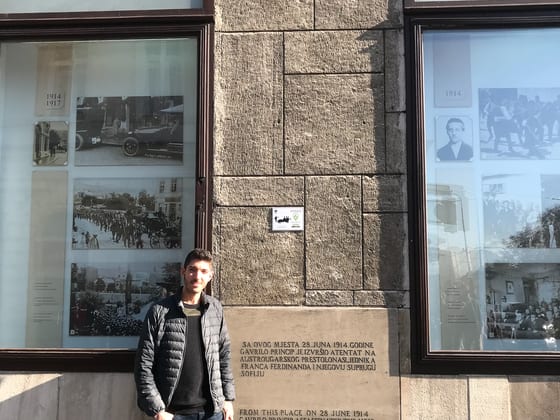
“An eye for an eye will only make the whole world blind.”Understanding Sarajevo’s ‘Warchitecture’ and War Wounds
Bosnia is one of the most heavily mined countries in the world.
Deadline and clearance figures: Mine Action Review, Bosnia and Herzegovina. One assessment puts a realistic finish as late as March 2032 (UDAS). Casualty and hazard figures are the ones in my own post. The practical version for a visitor is short: stay on marked paths and obey every warning sign.
You can stand in one spot in Baščaršija and see all of them.


Mosques, churches and a synagogue within a few minutes of each other. My own post goes further into what that closeness does and does not mean — including the schools that are still, in practice, divided.
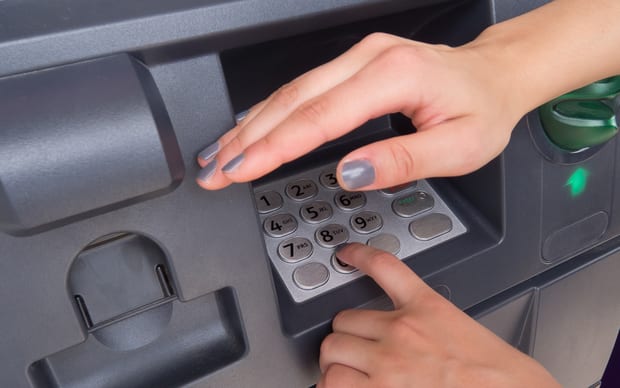
A child tried to take my money out of the ATM.
I was in the middle of the city, withdrawing enough marks to last a while because plenty of small places did not take cards. A kid appeared at my left and slammed his hand over the dispenser. I got my arm between him and the machine and turned to go — and he jumped onto my back with both hands in my pockets.
I shook him off and walked home checking over my shoulder. The honest version, including the part where I felt sorry for him, is in the post.

And then, at last, the birds.
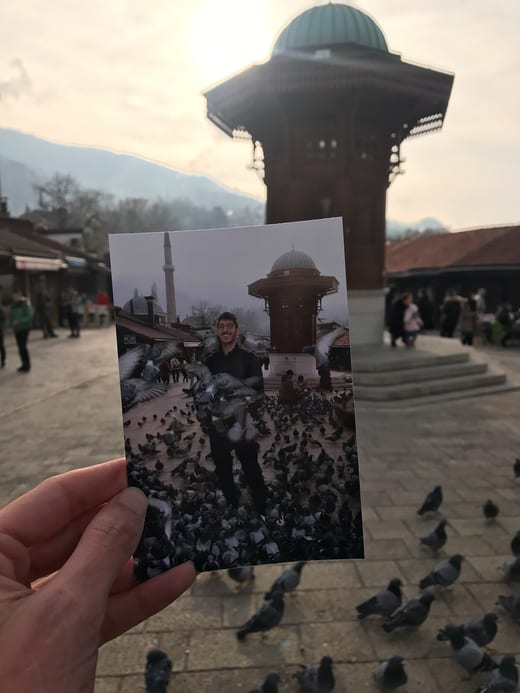
Baščaršija is Sarajevo’s old bazaar and the historical heart of the city. At the centre of it stands the Sebilj, a wooden Ottoman fountain that has become the thing everyone photographs.
The original was put up in 1753 by Mehmed-paša Kukavica. It burned in 1852 and was rebuilt in its present shape in 1891 by the Austrian architect Alexander Wittek, a few metres from where the first one stood. Local legend says that if you drink from it, you will come back to Sarajevo one day.
Nobody calls the square by its official name. They call it Pigeon Square.
“It’s also famous for having a bajillion pigeons.”Feeding Pigeons at Baščaršija Pigeon Square
1753, rebuilt 1891. Drawn, not photographed.


These birds have no fear of anybody.
In Croatia I had earned it — weeks of patience, seed, and a lot of standing very still. In Bosnia none of that was necessary. Feeding the pigeons at Baščaršija is simply something people do, so the flock has been landing on strangers for generations.
They land on your arms. They land on your head. If you are holding food and standing still, you stop being a person and become a piece of furniture with grain on it.
“Jokingly, I used to say I was training a Pigeon Army to take over the world… as I quickly realized I could rather easily summon hundreds, if not thousands, of pigeons to the point of smothering me.”Feeding Pigeons at Baščaršija Pigeon Square


Two marks buys you a riot. Grain buys you a better one.
There is usually a cart in the middle of the square selling small plastic tubs of unpopped popcorn kernels for a flat 2 convertible marks — about a dollar. Open one and it is gone in seconds.
I mostly bought grain from the shops around the square instead. It costs less, you get more, and it is better for the birds than a diet of popcorn. The catch is that the flock has learned what those plastic tubs look like, so grain gets a slower start — right up until the first pigeon notices, and then it does not matter at all.
Wash your hands afterwards. Pigeons are cleaner than their reputation, but that goes for any wild animal you touch.

The other thing I remember about that square
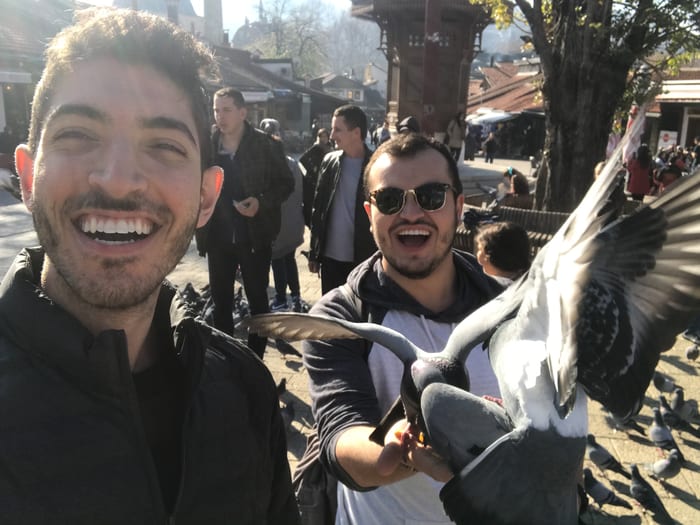
Near the end of the month I met another backpacker, and he ended up spending most of his time in Sarajevo with me. We had a long lunch of everything the region is known for, and I got to take him to Pigeon Square.
My flat had a spare bedroom sitting empty, so I offered it to him for his last night rather than let him pay for another hostel bed. He returned the favour by helping me shop and cook — we went to the local market and made dinner together, and afterwards sat with a drink and talked properly, about life and about a complicated situation I was still untangling. He was genuinely useful about it.
“Traveling alone does not always mean you are alone…”Feeding Pigeons at Baščaršija Pigeon Square

Go on then. Summon them.
Tap anywhere on the square to scatter a handful of grain and watch what happens. This is roughly how it goes in real life, except in real life they land on you.
Every bird on this page is drawn, not photographed — original SVG rock doves, iridescent necks and coral feet included.
pigeons on this page.
Not counting the ones perched along every seam, and not counting the ones you summoned yourself. It is, I am told, a reasonable approximation of Baščaršija on a warm afternoon.
Plan your own Sarajevo.
My own figures are from the month I spent there. Anything that has moved since is marked and sourced, so you can check it rather than trust it.
Baščaršija, any afternoon
The square sits at the eastern end of the old bazaar, around the Sebilj. There is no ticket and no opening time; the birds are simply there.
- KM 2A tub of unpopped popcorn kernels from the cart in the middle of the square — roughly one US dollar. Gone in seconds.
- LessGrain from the shops around the square: cheaper, more of it, and a better diet for the birds than popcorn alone.
- NoteThe flock recognises the vendor’s plastic tubs, so your own bag gets a slower start. One pigeon notices; the rest follow.
- AfterWash your hands. Sensible with any wild animal, pigeons included.
The cable car, and what it costs now
The lower station is in Bistrik, about a ten-minute walk from Baščaršija. The ride up Trebević takes around seven minutes, and the bobsleigh track is a walk from the top station.
- ThenWhen I went it was 15 marks one way, 20 marks return.
- NowAround KM 30 return for visitors, with a much lower local rate; under-sevens free.
- HoursRoughly 09:00–17:00 out of season, later in summer. The last cabin down is strict — do not plan to cut it fine.
- CashBring marks. Card machines at the counter are not something to rely on.
- SafetyUnexploded mines remain on the hillside. Stay on the established path, and do not go wandering alone.
Current prices and hours: Sarajevo Cable Car guide, 2026. Seasonal timings change — check before you go up. My 2022 fares are from my own post.
The convertible mark, and why Bosnia is cheap
The currency is the convertible mark (KM, or BAM). It is pegged to the euro at a fixed rate, so it does not move around on you the way other regional currencies do.
One warning from experience: be as aware at an ATM in a busy square as you would be anywhere. Mine did not go well.
A džezva and fildžan — the copper coffee set the old bazaar is full of.
A month in Sarajevo, as a remote worker
I worked while I was there, which is why the bakery run happened “after work”. Bosnia is one of the more practical places in Europe to sit still for a while, for one boring and very useful reason: it is not in the Schengen Zone, so time spent here does not eat your Schengen days.
- 90Days visa-free for US passport holders, and for most Western travellers.
- NoneThere is no dedicated digital nomad visa. Longer stays go through temporary residence, usually via registering a company.
- WhyOutside Schengen. If your 90-in-180 clock is running down, this is the kind of country that buys you time.
- FlatMine had two bedrooms and a kitchen I actually cooked in. That is the whole trick to a cheap month anywhere.
Visa-free length and the absence of a nomad visa: Residence and work permits, Bosnia and Herzegovina (2026). Rules change — confirm with the embassy for your own passport before you book anything.


The guide I wish I’d had on that bus.
64 pages, 40 one-page chapters and 12 fillable worksheets on planning a long trip, moving between countries and keeping your head when a day goes sideways. It is $0 if you are on the list.
All eight Bosnia stories, in order.
 I Traveled 13 Hours By Bus to Visit Pigeons In Another Country
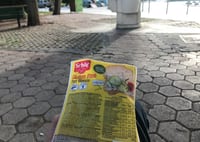 The Scariest Bus Ride of My Life: Drunken Death Threats, Harassment, and More
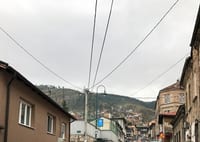 Dealing with Agoraphobia While Traveling In a New City
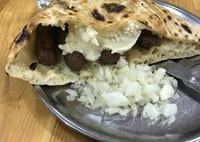 Memorable Food: Bosnian Bread and ‘Sarajevski’ Ćevapi
 How to Explore Sarajevo’s Abandoned Bobsleigh Track
 Understanding Sarajevo’s ‘Warchitecture’ and War Wounds
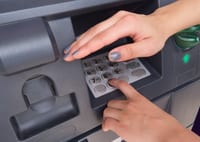 Travel Crime: How a Child Tried to Rob Me at an ATM in Bosnia
 Feeding Pigeons at Baščaršija Pigeon Square
It’s been swell, Sarajevo.
I arrived unable to make myself walk to a shop and left having spent a month eating bread I still think about, climbing a mountain to look at a ruin, and standing in a square letting several hundred birds use me as furniture. After Bosnia I booked a flight home to see my family.
This page gathers my Sarajevo stories by chapter rather than as a day-by-day itinerary. The original posts were published between 2021 and 2022 and describe the trip as I experienced it. Prices in my own words are what I paid at the time; anything updated for today is sourced above. Every pigeon, fountain, rose and coffee pot on this page was drawn for it.